

NCKU Hospital Named One of the World’s Best Smart Hospitals for Third Consecutive Year Recognized as a “Leader in AI Innovation,”
Written & Image credit to NCKU Hospital.
National Cheng Kung University Hospital (NCKU Hospital) has once again earned international recognition for its efforts in smart healthcare. Newsweek, in collaboration with global research firm Statista, has announced the results of its “World’s Best Smart Hospitals 2027” ranking. NCKU Hospital placed 75th worldwide, entering the global top 100 for the first time. The hospital has been included in the ranking for three consecutive years, from 2025 through 2027, and this year also received special recognition as a “Leader in AI Innovation,” bringing its achievements in smart healthcare to the international stage.
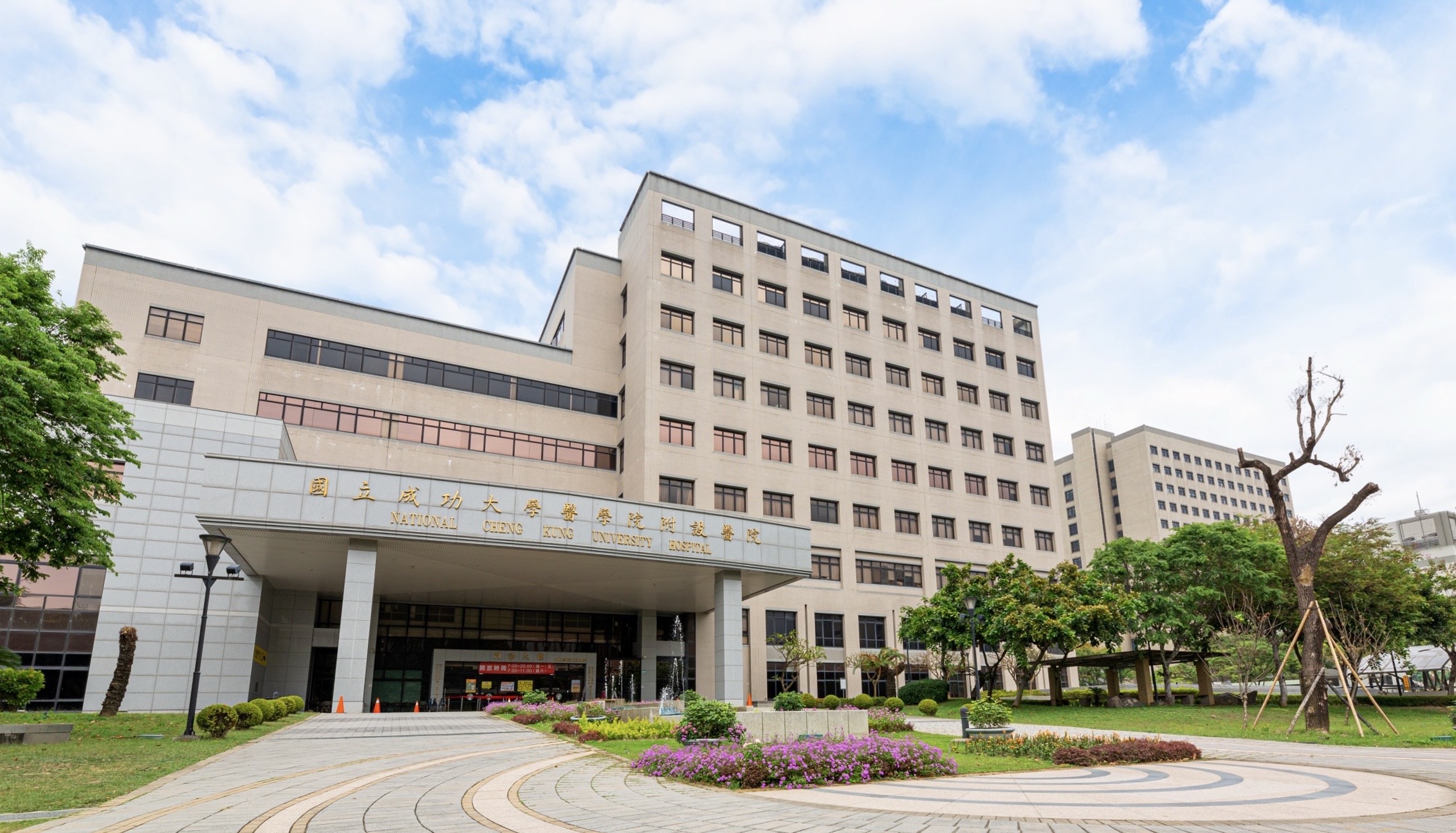
NCKU Hospital has been recognized in the World’s Best Smart Hospitals ranking for three consecutive years.
Newsweek and global research firm Statista announced the results of the “World’s Best Smart Hospitals 2027” ranking. NCKU Hospital placed 75th worldwide, entering the global top 100 for the first time.
Smart Healthcare Means Real Improvements in the Patient Journey
The ranking looks beyond hospitals’ technological equipment to assess how technology is applied in real-world healthcare settings. Its evaluation covers digital information systems, infrastructure, education and training, artificial intelligence, robotics and automation, as well as governance and performance assessment. Developing talent, integrating information, and applying technology in clinical settings are all essential foundations of a smart hospital.
For patients, quality healthcare depends not only on advanced equipment, but also on receiving timely and appropriate care. NCKU Hospital believes technology’s value lies not simply in being new, but in helping physicians better understand patients’ conditions, improving the efficiency of healthcare teams, and optimizing care processes and quality.
By integrating electronic medical records, physicians can access examination and treatment information more efficiently. Artificial intelligence can analyze medical images and related data, providing healthcare teams with additional information to support clinical judgment. Digitalized and automated workflows can reduce repetitive tasks, allowing medical professionals to devote more time to patient care. Technology is not intended to replace healthcare professionals; it is a valuable partner in protecting health.
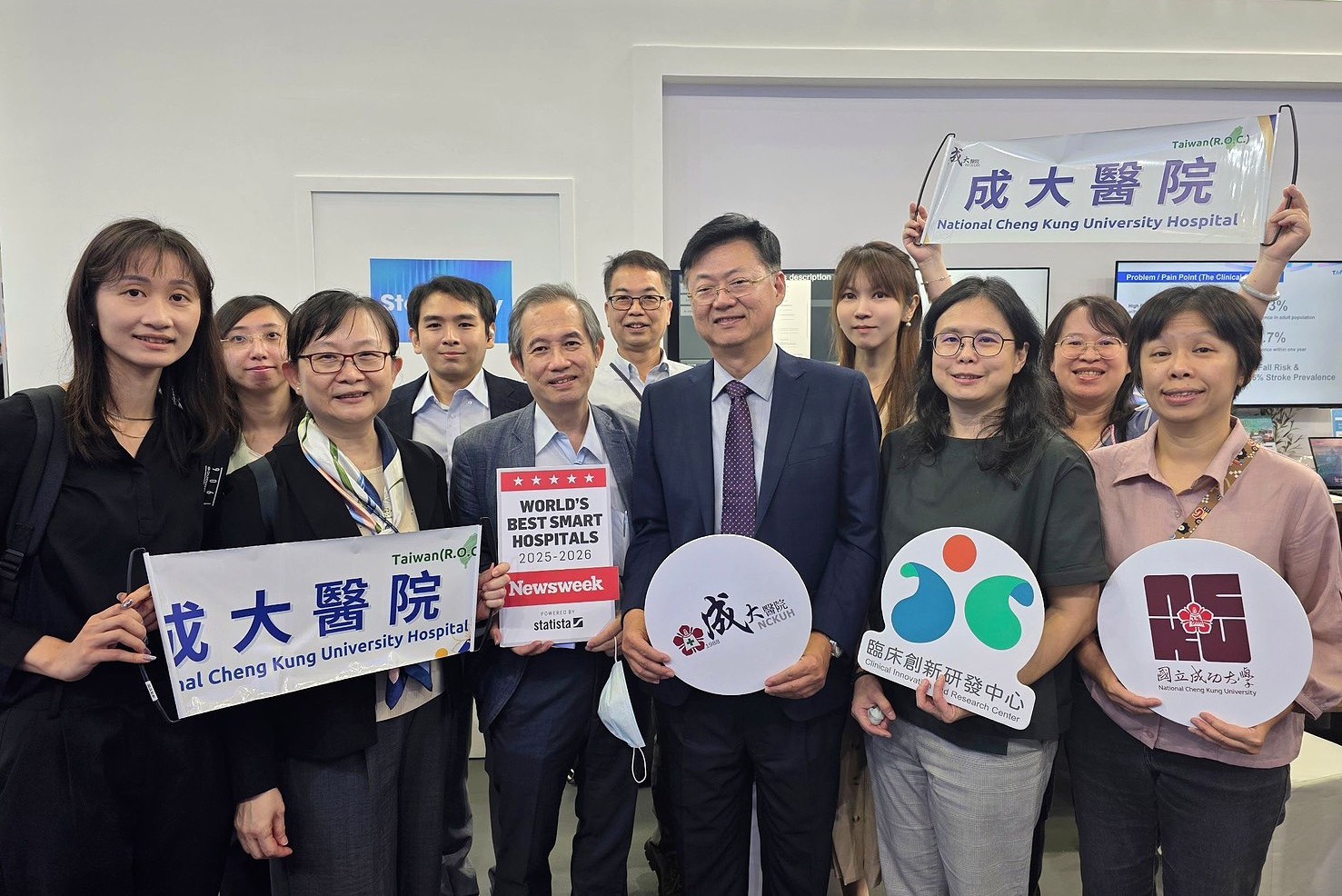
NCKU Hospital Superintendent Keng-Fu Hsu (center) said the hospital’s improved ranking and recognition as a “Leader in AI Innovation” acknowledge the long-term commitment of its medical, information technology, research, and administrative teams.
Cross-Disciplinary Commitment Turns Innovation into Practice
NCKU Hospital Superintendent Keng-Fu Hsu said the improved ranking and recognition as a “Leader in AI Innovation” are an encouragement to the hospital’s medical, information technology, research, and administrative teams, whose sustained efforts have helped advance smart healthcare. The hospital continues to develop applications such as AI-assisted diagnosis, medical automation, and smart wards. With patient needs at the center, it is deepening the integration of technology and clinical care.
The hospital also shares its practical experience through international exhibitions and exchange activities, learning from global developments and continually refining its smart healthcare initiatives.
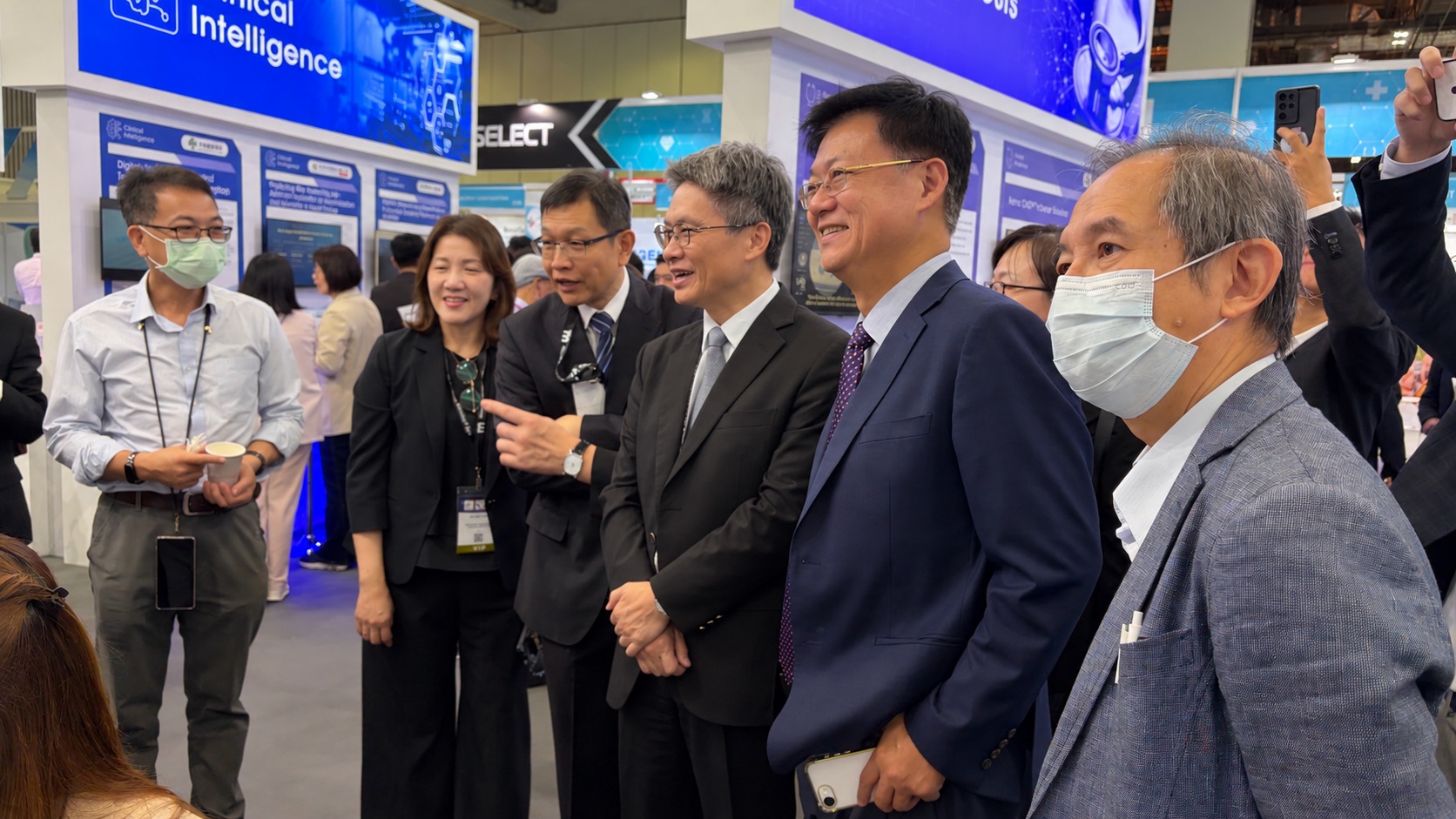
NCKU Hospital Superintendent Keng-Fu Hsu (center) leads a delegation in sharing the hospital’s smart healthcare experience with international healthcare and industry partners, strengthening exchange and collaboration.
More Advanced Technology, More Human-Centered Care
As technology advances, care should become more personal and compassionate. Guided by a patient-centered approach, NCKU Hospital will continue to expand the clinical application of artificial intelligence and digital technologies, improve medical services and care workflows, and bring more innovations from laboratories into hospitals and beyond. The hospital aims to gradually extend care into communities and homes, using innovation to safeguard health and help every patient feel more confident and reassured throughout their healthcare journey.
